Currently under
construction.
We're adding features,
and making the site
available on phones.
Bear with us...
A few things are working.
Try them out
Currently under
construction.
We're adding features,
and making the site
available on phones.
Bear with us...
A few things are working.
Try them out
By JS Tan & Clarissa Redwine
Boston Review
September 14, 2026 – When we were hired by the United Electrical Workers to spearhead the union drive at Twitter, it seemed the tech industry might finally be bending to progressive pressure. It was early in 2022, a year after the historic Capitol attacks of January 6, which saw Donald Trump call on his nearly eighty-eight million Twitter followers in an attempt to overturn his electoral defeat to Joe Biden. More and more public outrage was being directed at the tools that had enabled the president to mobilize his supporters. And Twitter, after deleting a series of Trump’s incendiary posts, had taken the most extreme measure of all the major social media platforms by issuing a permanent ban on the sitting president’s account.
Many outside the industry attributed the decision to Silicon Valley’s then-progressive values—management taking a principled stand against an overt attack on democracy—but in reality, it was almost entirely worker-driven. Jack Dorsey, Twitter’s founder and then-CEO, initially hesitated to take action after the Capitol attack. He said to staff that the company was not “the government,” and it was the responsibility of elected officials—not a private platform—to “do the work to right this and bring the country together.” Twitter’s employees, feeling complicit in enabling Trump’s insurrection, pushed management for decisive action. Two days after the sitting president’s self-coup attempt, hundreds of workers delivered an open letter to their employer that demanded Trump’s permanent suspension. “As Trump’s megaphone,” the letter declared, “we helped fuel the deadly events of January 6th.” That internal revolt proved decisive. Twitter’s leadership caved and permanently removed Trump from the platform.
We could never have anticipated how quickly the tech elite would dig up the ground from underneath us.
Emboldened by their success and fueled by a newfound sense of solidarity, the group of employees who penned the letter decided to launch a union drive to codify their collective leverage and ensure the platform would never enable events like January 6 again. They had helped safeguard democracy before. This time, they were determined to win it for themselves—and we, joining their drive as dedicated staff, were determined to help them. Clarissa had helped win one of the first tech unions at Kickstarter. JS, meanwhile, had organized graduate students at MIT. By bringing our experience as organizers to Twitter’s campaign, we hoped we could harness the nascent movement’s energy and steer it with some established labor tactics. We knew we were in for a challenge—but we could never have anticipated how quickly the tech elite would dig up the ground from underneath us.
Traditionally, labor organizing is understood as a weapon of the most exploited workers to fight for better economic and working conditions. From the Fight for Fifteen campaigns that demanded a living wage of fifteen dollars an hour, to the more recent surge in Amazon warehouse workers insisting on better wages, benefits, and job security, most people think of labor organizing as a means for improving basic working conditions—demands commonly known in labor organizing parlance as bread-and-butter issues.
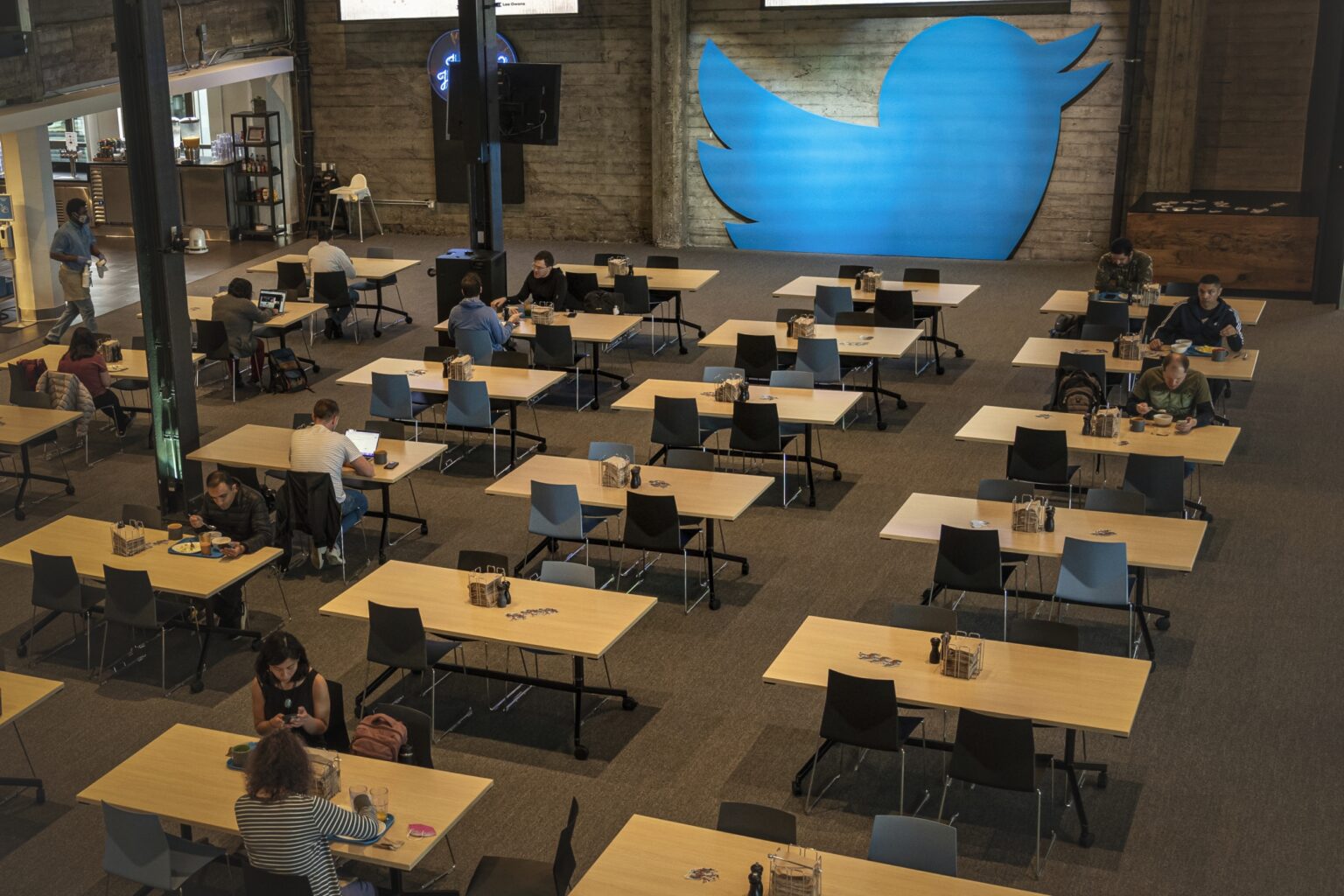
The software engineers, program managers, and designers at Twitter inhabit an entirely different world. They command some of the highest salaries in the country. Many have cushy benefit packages and are showered with office perks like free food, kombucha on tap, cooking classes, and nap rooms. They also have considerable autonomy in how they perform their daily work, often setting their own schedules and working remotely with minimal direct supervision. By all measures, many in tech have a good job. (Continued)